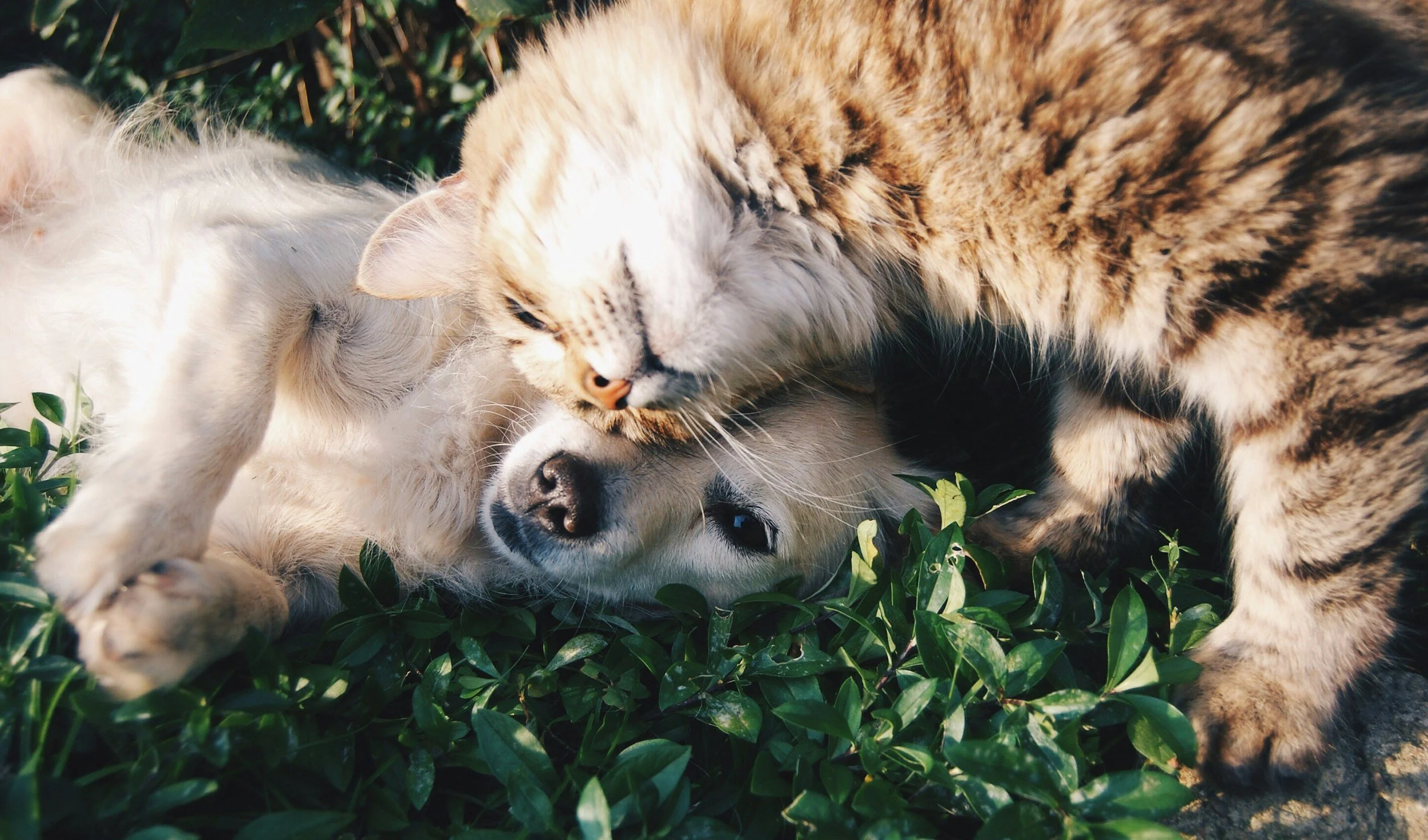
Animal Bereavement Therapy in New Mexico, Colorado, & Florida
Your grief is real because your relationship was real.
Losing an animal can be one of the most painful experiences we go through. They are not “just pets.” They are companions, family members, sources of comfort, and often witnesses to some of the most important chapters of our lives. In fact, I don't use the word “pet” myself because I feel it can create a hierarchy and minimize the depth of the relationship we have with our fellow animals. To me, they are family.
When you lose them you are not only grieving their physical absence—you may be grieving the routines, the relationship, the sense of safety they brought you, and the future you imagined having together.
Animal grief can also feel especially lonely when the people around you don't fully understand the depth of your loss. You may have heard comments like “at least they had a good life” or “you can always get another one,” when what you really need is space to acknowledge how much this particular relationship meant to you. Your grief doesn't need to be justified or compared to another kind of loss. It deserves to be witnessed and honored.
Making space for the complexity of animal grief
Grief doesn't always look the way we expect it to. You may feel sadness, anger, guilt, relief, numbness, regret, or even moments of joy when remembering your animal. You may question decisions you made about their care, replay their final days, or wonder if you could have done something differently. If you had to make the decision to euthanize, you may be carrying an especially complicated combination of love, responsibility, and doubt.
For animal caregivers, rescuers, and sanctuary workers, loss can carry additional layers. You may be grieving while still caring for other animals who need you, making decisions for animals who cannot advocate for themselves, or trying to keep functioning when there isn't really an opportunity to stop and process what happened. Sometimes the accumulation of losses over time can become its own kind of grief.
You don't have to “move on.”
Grieving doesn't mean forgetting, letting go of the relationship, or reaching a point where you no longer miss them. Healing can look more like finding a way to carry the love and the loss together—to remember without being completely overwhelmed, and to make space for your relationship to continue in a different form.
For animal lovers, caregivers & sensitive souls
If you are someone who feels deeply connected to animals, their suffering and loss may affect you in profound ways. You may absorb the emotions around you, feel responsible for their wellbeing, or experience grief that others don't fully understand. As someone who has always felt a strong connection with animals and who runs an animal sanctuary myself, I understand how much these relationships shape our lives—and how complicated it can feel when they’re gone.
Whether you are grieving a beloved companion who passed recently, or one of many losses you've experienced over time, you don't have to minimize your grief here. No matter how long you shared your life together or what species they were, your relationship mattered—and I am here to support you through the loss.
Their lives mattered. Your grief matters.